
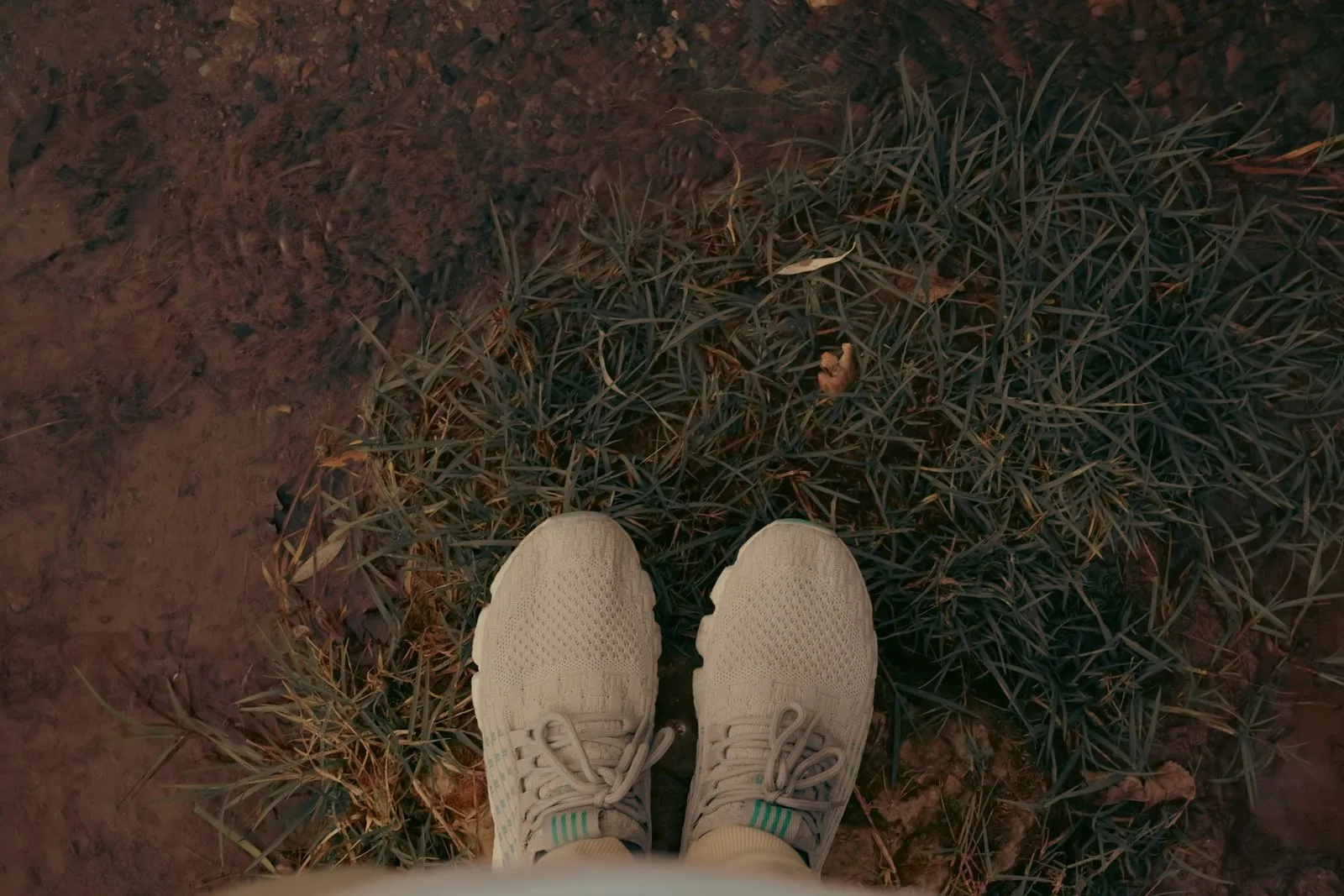
A walking shoe should feel secure without squeezing, and comfortable without slipping. A few simple checks can help you judge the fit before you buy: look at the space around your toes, notice whether your heel stays in place, and pay attention to pressure along the sides of your feet. Try shoes on while standing and walking, since your feet can spread under your weight. These steps make it easier to find a pair that suits your feet and your usual walks.
Check Toe Room
Stand in the shoes with both feet flat. You should have a little space between your longest toe and the end of the shoe, and your toes should be able to wiggle without rubbing the front or pressing against each other. Check both feet; one may be longer or wider. Fit the larger foot comfortably, then consider an insole or lacing adjustment if the other shoe feels a bit loose.
Walk a few steps and notice whether your toes hit the front, especially when stepping downhill or stopping. If they do, try a longer size or a different shape. Avoid choosing a shoe that feels tight in hopes it will stretch enough; the upper may soften, but it should not need to correct a cramped fit.
Test Heel Hold
Your heel should feel comfortably held as you walk, without lifting noticeably or rubbing. A small amount of movement can happen, but repeated slipping may cause blisters. First, check that the shoe is fastened snugly across the instep. If the heel still moves, try another size or a style with a heel shape that better matches your foot.
Pay attention to pressure around the back of the shoe. A firm collar should feel supportive, not sharp or abrasive against your heel or ankle. Walk at your normal pace and turn gently. If the shoe pinches, rubs, or feels unstable during these movements, do not assume it will become comfortable after several outings.
Assess Width and Pressure
The shoe should hold your foot without squeezing its sides. Look for bulging over the sole, seams pressing into the forefoot, or a cramped feeling across the ball of your foot. Your toes should sit naturally rather than being pushed inward. If the length seems right but the sides feel tight, try a wider option instead of sizing up and leaving too much space at the toes.
Notice how the shoe feels around your arch and instep, too. Laces can adjust some pressure, but they cannot change the shape of the shoe. Loosen or retie them to check whether the discomfort eases. Persistent pinching, numbness, or rubbing is a sign to try a different fit or design.
Walk Before You Decide
Try shoes on later in the day if possible, when your feet may be slightly larger than they were in the morning. Wear the socks you expect to use for walking, and test both shoes. Walk around the store for several minutes, including turns and changes in pace. A shoe that feels fine while seated may reveal pressure or slipping once you move.
Check the whole experience, not just the size label. The shoe should feel comfortable right away, with enough room at the toes, a secure heel, and no distracting pressure. Compare another size or style if anything feels off. Different brands and designs can fit differently, so judge each pair on how it feels on your feet.
A good walking-shoe fit gives your toes room, keeps your heel from slipping, and avoids pressure along the sides. Test both shoes with your walking socks and take time to move in them before deciding. If you would like help comparing fits, visit Vancouver Walk Co. and try on a few options.