
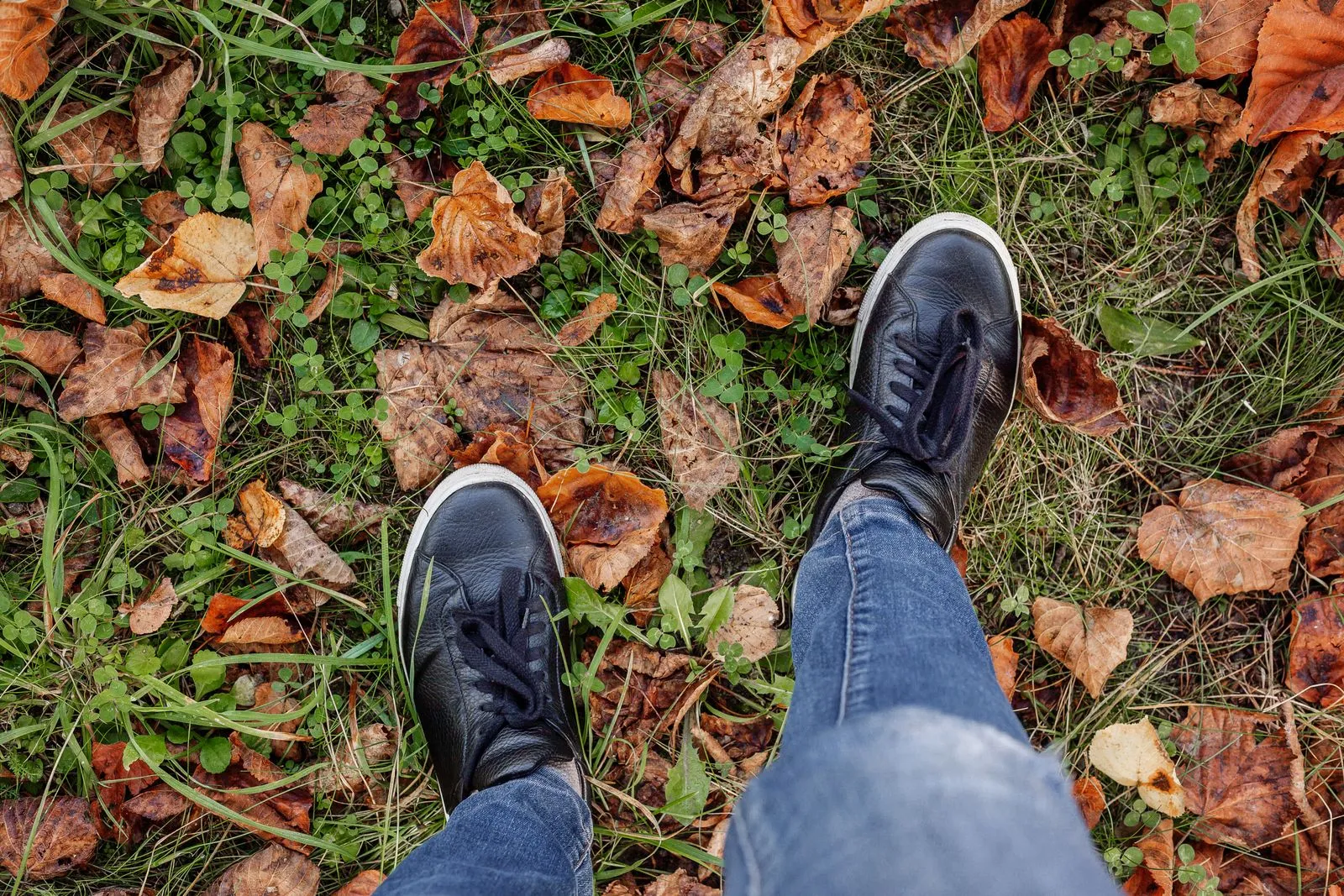
Vancouver walks can take you from damp sidewalks to sheltered shops, with the weather shifting along the way. The right shoes should help you feel steady and comfortable without leaving your feet overheated when conditions turn mild. Instead of choosing by appearance alone, compare the sole, upper material, fit, and drying time. A few practical checks can help you choose a pair that suits your usual routes, walking pace, and the amount of rain you encounter.
Look for dependable wet-weather grip
Wet pavement, painted crosswalks, metal utility covers, and smooth tiles can all feel slippery. Check the outsole for a defined tread pattern and flexible rubber that makes good contact with the ground. Deep lugs are not always necessary for city routes; a practical walking sole should balance traction with a smooth enough shape for sidewalks and indoor stops.
If possible, try the shoes on and walk across a clean, dry surface in the store. Notice whether your foot feels stable as you turn and stop. No sole can guarantee grip on every slick surface, so shorten your steps and take extra care on wet metal, leaves, and steep sections.
Balance water protection and airflow
Water-resistant uppers can help during drizzle and brief exposure to wet sidewalks, while a waterproof membrane may offer more protection in steady rain. The tradeoff is that less water may escape from inside the shoe. If your feet tend to get warm, or you walk briskly, consider a more breathable upper for mild, damp days rather than assuming maximum waterproofing is always best.
Think about where rain is most likely to enter. A low-cut shoe can let water in over the opening, even if its upper resists moisture. For regular rainy walks, pair the shoe with socks suited to the temperature, and give damp footwear time to dry fully between outings. Avoid placing shoes directly beside a heater, which can damage some materials.
Choose comfort for everyday routes
A comfortable shoe should hold your heel securely while giving your toes room to spread. Try it on with the socks you normally wear, and check that your toes do not press against the front when you walk. If you use orthotics, bring them along so you can assess the fit with the insert in place.
Consider the mix of surfaces and distances in your routine: a short trip to transit, a long waterfront walk, or errands with frequent stops. Cushioning should feel supportive rather than unstable, and the shoe should bend naturally near the ball of your foot. Walk around for several minutes before deciding; pressure points that seem minor at first may become uncomfortable over a longer route.
Plan for changing conditions
One pair may not suit every forecast. A breathable walking shoe can work well for dry or mild days, while a more protective pair may be useful for persistent rain. If you prefer one versatile option, focus on comfortable fit, reliable tread, and an upper that handles light moisture without feeling too warm during indoor stops.
Check the shoe after a few rainy walks. Notice whether water reaches your socks, whether the tread still feels secure, and how long the shoes take to dry. These details help you decide whether to adjust your socks, rotate pairs, or choose a different level of weather protection next time.
For Vancouver walks, start with secure fit and dependable traction, then choose water protection that matches your routes and comfort needs. Try shoes with your usual socks and walk in them before making a decision. Vancouver Walk Co. can help you compare options in person and find a pair suited to your everyday walks.